

More Than an Expert: Kera Selzer, Nurse Practitioner, Weighs in on Your Primary Care Provider's Role in Managing Chronic Illness
Living with a chronic illness, whether it's diabetes, heart disease, asthma, arthritis or another long-term condition, can feel overwhelming. The daily demands of tracking symptoms, medications and appointments require not only personal commitment, but the right support system. At the center of that system is your primary care provider.
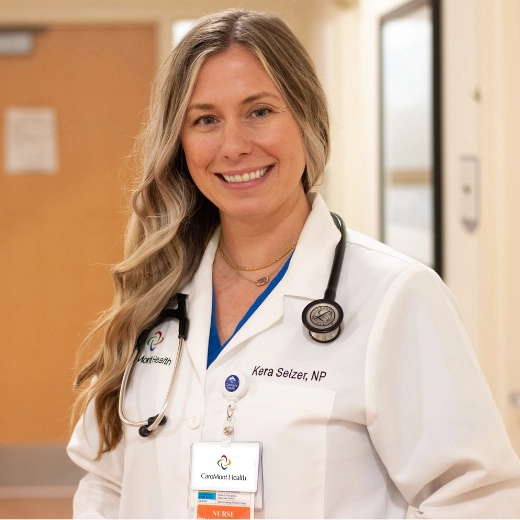
Kera Selzer, Nurse Practitioner with CaroMont Family Medicine in Dallas, explains how a primary care provider is more than a professional you visit when you’re sick. Instead, primary care providers serve as long-term health partners. By building a relationship with a provider who knows your full medical history, you gain a dedicated point of contact who can lead you to necessary specialists and help you make informed decisions. For those with chronic conditions, this partnership is especially vital. It transforms a complex maze of symptoms into a streamlined, collaborative plan tailored to your specific needs.
"Patients who maintain a consistent relationship with a primary care provider experience better health outcomes, fewer emergency visits and greater confidence in managing their conditions,” explains Selzer.
The Importance of Continuity in Primary Care
“One of the greatest benefits of having a dedicated primary care provider is continuity,” states Selzer. “Your provider keeps a complete record of your health, like allergies, family history and medication you've taken. They understand the full arc of your symptoms over time. This depth of knowledge simply cannot be replicated during a one-time visit at a walk-in clinic.”
When it comes to managing a chronic condition, knowledge matters most. Whether it’s adjusting a medication, interpreting a new symptom or ordering the right follow-up test, every decision is better when it’s informed by context. Because your provider already knows your baseline and important personal health history, they don’t have to start from scratch. That familiarity allows them to treat your current complaints and needs with a targeted, informed medicine.
Primary Care is the Foundation of Chronic Illness Management
According to Selzer, “Chronic conditions rarely exist in isolation. Many people managing a diagnosis are also balancing other related health concerns. Your primary care provider is uniquely positioned to see the full picture, connecting the dots between your conditions, medications, lifestyle and mental well-being.”
Regular visits with your primary care provider allow for ongoing monitoring, early detection of complications and timely adjustments to your care plan. Rather than waiting for a crisis, proactive primary care helps you stay ahead of your health. When something unexpected comes up, such as a new symptom, a virus that can complicate your care routine or a reaction to a medication, the provider who knows you best can often see you quickly, picking up your care exactly where you left off.
What to Expect from Your Appointments
A productive visit with your primary care provider is more than quick check-in. When you’re managing chronic illness, these appointments are an opportunity for open dialogue, goal-setting and care coordination. Selzer list a few ways to make the most of your visits:
-
Bring an updated list of all medications, supplements and dosages to every appointment.
-
Track your symptoms between visits. Even a simple journal or notes app on your phone can give your provider valuable insight.
-
Come prepared with specific questions. Don't hesitate to ask for clarification if something is not clear.
-
Discuss lifestyle changes. Share any shifts in your daily life that may be affecting your health, including stress, sleep or diet.
-
Define your goals. Ask about care objectives and what success looks like for your condition.
-
Request referrals. Ask for specialists or community resources when needed; your provider can help coordinate the next steps.
Primary Care vs. Urgent Care: Know When to Go Where
“When you're not feeling well, it can be hard to know where to turn. For patients managing chronic conditions, understanding the difference between your primary care provider and urgent care can save you time and unnecessary stress,” explains Selzer.
“If you have a chronic condition and something changes, your primary care provider should be your first call. Urgent care is a valuable safety net for acute situations, but it works best alongside, not instead of, a primary care relationship,” states Selzer.
Communicating Openly with Your Care Team
“One of the most important and sometimes most difficult aspects of managing chronic illness is honest communication with your provider,” says Selzer. “It can be tempting to minimize symptoms or skip mentioning a side effect, but your care team can only help you when they have the full picture.”
If you're struggling to follow a treatment plan, let your provider know. There may be alternatives, accommodations or resources available that you haven't been offered yet. You deserve a care plan that works for your real life.
Beyond the Appointment: The Bigger Picture
Managing chronic illness doesn’t stop once you leave the doctor’s office. Your primary care provider is there to help between appointments. Many health systems offer patient portals, making it simple to message your doctor, check test results or request refills from your phone or computer.
It is equally important to take care of your mental and emotional health. Living with a long-term condition can bring stress, grief, frustration and uncertainty. Don't hesitate to talk with your provider about your emotional and mental well-being, not only your physical symptoms. They can connect you with mental health specialist or community programs designed to support you.
Take the Next Step
Managing a chronic condition is a lifelong journey, and you don't have to navigate it alone. Whether you're newly diagnosed, searching for a provider who understands your history or are ready to take a more proactive role in your health, our compassionate primary care providers are here for you. Find a primary care provider near you and take the first step toward care that focuses on you as a whole person.