
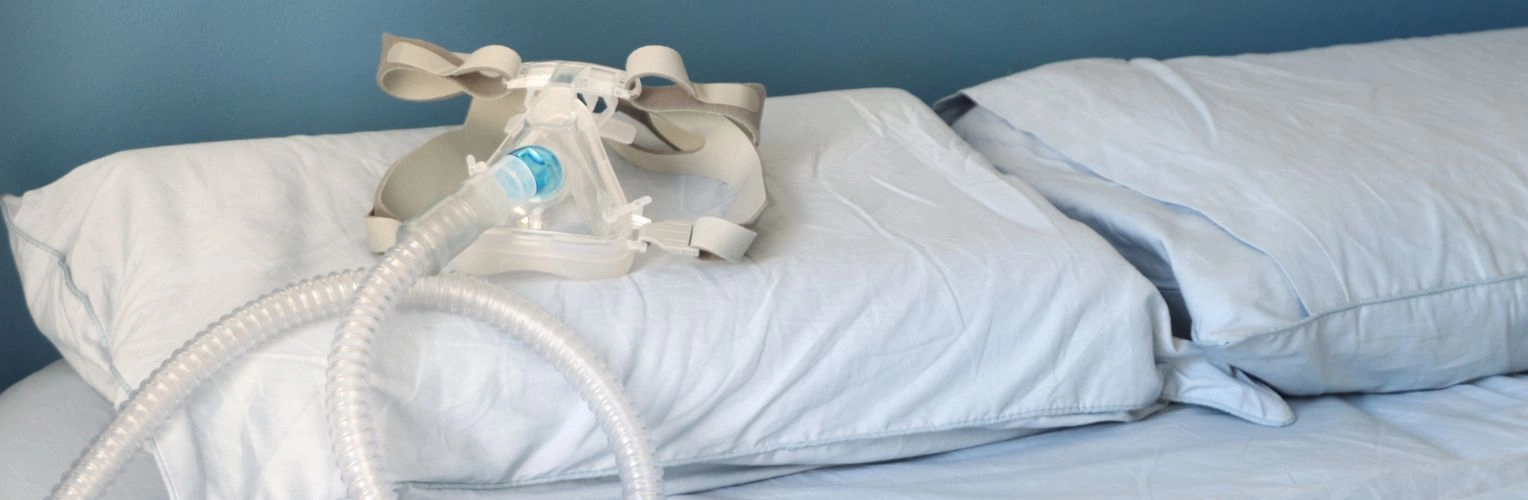
Understanding Sleep Apnea: Why Amy Randolph, Nurse Practitioner Wants You to Take Snoring Seriously
Snoring is common, making it easy to dismiss as a harmless habit. Many assume it only disrupts a partner's sleep rather than their own health. However, frequent nighttime gasping or choking can strain the body over time.
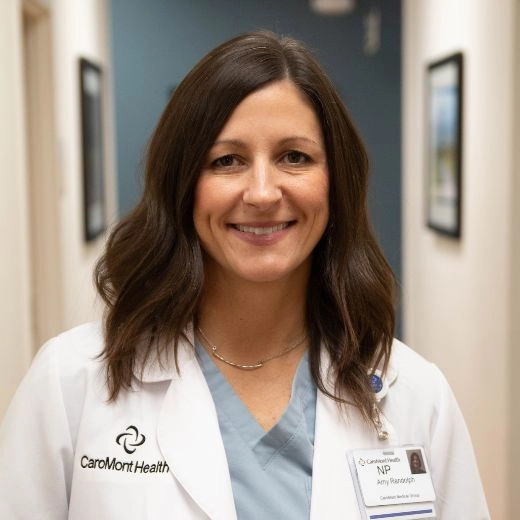
Amy Randolph, Nurse Practitioner with CaroMont Pulmonary Medicine in Gastonia explains why loud or persistent snoring can sometimes be a sign of a more serious condition: sleep apnea. Snoring is not always just background noise; sometimes it's the body's way of alerting that something is wrong.
What Is Sleep Apnea?
"Sleep apnea is a medical condition where breathing stops and starts while sleeping," explains Randolph. "The most common form, obstructive sleep apnea, occurs when muscles in the throat relax and block the airway."
These breathing pauses can last for several seconds and occur dozens or even hundreds of times each night. This disruption causes poor-quality sleep, even if the person doesn't fully wake up or remember the interruptions the next morning.
"Most people tend to think snoring is just an annoyance," says Randolph. "But when it's paired with gasping, choking sounds or long pauses in breathing, that's when we start looking closer for sleep apnea."
The Different Types of Sleep Apnea
While obstructive sleep apnea is the most common form, it isn't the only type. Central sleep apnea occurs when the brain temporarily fails to send signals to the muscles that control breathing. This type is less common and is often associated with other health conditions, such as heart failure or certain neurological disorders.
The third type, complex sleep apnea syndrome, sometimes called treatment-emergent central sleep apnea, combines both obstructive and central patterns.
"Understanding which type of sleep apnea a patient has is an important part of building an effective treatment plan, since the underlying cause shapes the recommended approach," explains Randolph. "From there, treatment is tailored to the individual. Two people with the same diagnosis may need very different plans depending on the severity of their apnea, their overall health and what they can realistically stick with."
The Hidden Toll on Daily Life
"The effects of sleep apnea extend well beyond sleep," explains Randolph. "Patients often describe struggling to stay focused throughout the day, feeling irritable with loved ones or finding it harder to enjoy activities they once looked forward to. Chronic fatigue can reduce emotional resilience, leading to stress or relationship strains that people may not immediately link to sleep."
Other concerns that arise when sleep apnea disrupts quality sleep:
-
Drowsy driving - untreated sleep apnea has been linked to a higher risk of falling asleep behind the wheel or experiencing slowed reaction times.
-
Memory lapses - Deep sleep is when the brain consolidates memories, so people with sleep apnea often notice more forgetfulness and difficulty recalling names, tasks or recent conversations.
-
Mood changes - Ongoing sleep disruption is associated with a higher risk of anxiety and depression, and many people notice a shorter fuse long before they connect it to their sleep.
-
Difficulty managing weight - Poor sleep affects the hormones that regulate hunger and fullness, which can make weight loss harder even with consistent effort.
Common Myths About Snoring
Several misconceptions often prevent people from seeking help for sleep apnea. Some assume the condition only affects older adults. However, sleep apnea can impact individuals of any age, body type or fitness level.
"Many commonly mistake snoring as simply a sign of deep, restful sleep. In reality, it often indicates the airway is struggling to stay open. Additionally, sleep apnea matters even if a person feels alert during the day. Some patients report feeling reasonably alert throughout the day, even though their bodies are working overtime at night. Do not rely on assumptions and instead let a provider evaluate your specific symptoms and risk factors," states Randolph.
Why Snoring Deserves Attention
"While snoring does not always mean a person has sleep apnea, it remains one of the most recognizable warning signs," explains Randolph. "The risk increases when snoring is accompanied with other symptoms, such as waking up gasping for air, morning headaches, dry mouth, excessive daytime sleepiness or difficulty concentrating. Partners or family members often notice these patterns first, which is why it is important to pay attention to feedback from loved ones about your sleep."
If left untreated, sleep apnea can cause severe health risks beyond chronic fatigue. Repeated drops in blood oxygen levels place heavy strain on the cardiovascular system. Over time, this can contribute to high blood pressure, irregular heart rhythms, an increased risk of heart attack and stroke and complications with managing conditions like Type 2 diabetes.
Who Is at Risk?
Sleep apnea can affect anyone, but certain factors increase the likelihood of developing it. Primary risks include being overweight, having a thick neck circumference, smoking and persistent nasal congestion. A family history of sleep apnea and advanced age also can elevate risk. Statistically, men face a higher likelihood of the condition than women. However, medical providers have noticed a rising diagnosis rate among women, particularly after menopause.
Getting Evaluated
"If snoring is loud, frequent or disruptive, it is a good idea to speak with your primary care provider rather than waiting to see if it improves on its own," states Randolph. "A provider can review symptoms, discuss risk factors and determine whether a sleep study is needed."
Sleep apnea is most commonly diagnosed through a sleep study. Sleep studies can often be done at home with a simple monitoring device, though some patients may be referred for an in-lab study depending on their symptoms and overall health.
The good news is that sleep apnea is highly treatable. According to Randolph, "Treatment options depend on severity and may include lifestyle changes, such as weight management or adjusting sleep position. Other treatments may include a continuous positive airway pressure machine, commonly known as CPAP, oral appliances designed to keep the airway open, or in some cases, surgical evaluation. Many patients notice a significant improvement in energy, mood and overall health once treatment begins."
Take Action
If you or a loved one snores loudly, gasps for air during sleep or wakes up feeling exhausted no matter how many hours you've slept, don't wait to get it checked out.
"I always tell patients that if one conversation and a manageable treatment could change how you feel every day, that's worth your time," says Randolph. "Sleep apnea is highly diagnosable and highly treatable. The hardest part is usually recognizing it, because the symptoms build slowly and it's easy to attribute them to stress or age. If you've noticed changes in your energy, focus or mood, or if someone close to you has noticed your snoring or pauses in your breathing, it is time to speak with an expert. Most patients are surprised by how much better they feel once we treat it."
Talk to your primary care provider about your symptoms, and if needed, our pulmonary team is here to help with further evaluation and personalized treatment options. Better sleep starts with a conversation. Take the first step to feeling more alert, more rested and physically better.