
Nutrition Tips: Small Food Swaps That Make a Big Difference
Good nutrition does not require a complete lifestyle overhaul. You do not need to empty your pantry, give up your favorite foods or follow a rigid meal plan to start feeling better. In fact, some of the most meaningful improvements to your health come from small, consistent dietary swaps. Tiny changes can quietly add up over days, weeks and years. Science backs up this approach, as does the experience of millions of people who have discovered that healthy eating is less about perfection and more about progress.
Start With What You Drink
One of the most impactful places to begin is in your glass. Sugary drinks like sodas, sweetened teas, sports drinks and flavored coffees are among the leading sources of added sugar in the American diet. Swapping even one of these per day for water, sparkling water or unsweetened herbal tea can significantly reduce your daily calorie and sugar intake without leaving you feeling deprived. If plain water feels boring, try adding slices of cucumber, lemon, mint or berries for a refreshing lift. Over time, your taste buds adjust, and overly sweet beverages begin to taste less appealing.
Rethink Your Grains
White bread, white rice and regular pasta are staples in many households, but you do not have to give them up entirely. Instead, consider trading them for their whole-grain counterparts. Whole-wheat bread, brown rice, quinoa and whole-grain pasta contain more fiber, which supports digestion, helps you feel full longer and can assist in regulating blood sugar levels.
The transition can be gradual. Try mixing brown rice with white rice at first, or switching just your sandwich bread while keeping everything else the same. Small steps taken consistently are far more sustainable than sweeping overnight changes.
Upgrade Your Fats
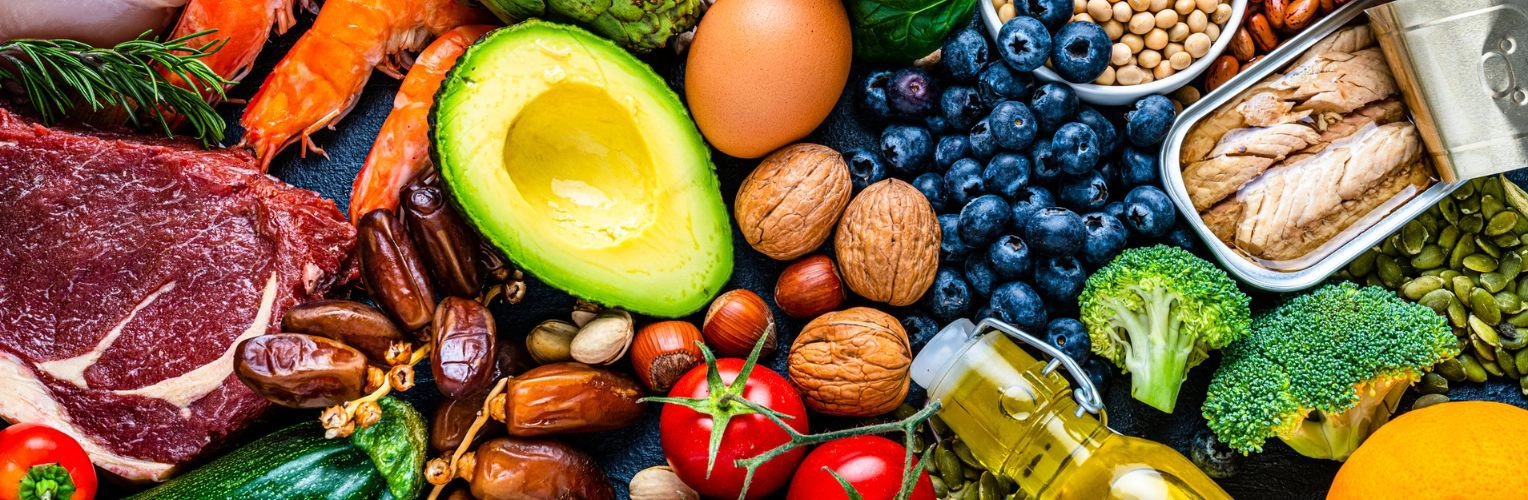
Not all fats are created equal, and choosing the right ones can support heart health significantly. Cooking with olive oil instead of butter or shortening, choosing avocado over mayonnaise on your sandwich or reaching for a small handful of walnuts instead of chips are examples of swaps that bring healthier unsaturated fats into your daily routine.
These fats, when consumed in reasonable amounts, can help support healthy cholesterol levels. The goal is not to eliminate fat from your diet; your body needs it. Instead, try to be more intentional about the type you choose most often.
Reimagine Your Snacks
Snacking is not an enemy. Poorly chosen snacks, eaten mindlessly and frequently, can add up quickly. However, a thoughtful snack can actually support stable energy and prevent overeating at mealtimes.
Instead of reaching for a bag of chips or a packaged cookie, consider keeping ready-to-eat options on hand like sliced vegetables with hummus, a piece of fruit with a tablespoon of nut butter, a small handful of almonds or a cup of low-fat Greek yogurt. The key is making the healthy option the easy option. When nutritious snacks are prepped and visible, you are far more likely to choose them.
Add More Color to Your Plate
A simple rule of thumb is the more colorful your plate, the better. Different colored vegetables and fruits carry different vitamins, minerals and antioxidants. Leafy greens like spinach and kale provide iron and folate. Orange and yellow vegetables, such as sweet potatoes and bell peppers, are rich in vitamin A. Berries are packed with antioxidants that support brain and heart health.
Rather than focusing on dietary restrictions, look for items to add to a meal. Tossing a handful of spinach into a smoothie, adding sliced tomatoes to your eggs or including a side salad with dinner are all low-effort ways to dramatically increase your nutrient intake.
Reduce Sodium Without Sacrificing Flavor
Excess sodium is linked to high blood pressure, a leading risk factor for heart disease and stroke. Many Americans consume far more sodium than recommended, largely through processed and packaged foods. One effective adjustment is reaching for herbs and spices, such as garlic, cumin, oregano, turmeric, black pepper and citrus zest, instead of salt. These ingredients add depth and complexity to meals without the cardiovascular risk.
Additionally, checking nutrition labels and choosing lower-sodium versions of canned goods like beans, tomatoes and broth can reduce your sodium intake significantly without requiring you to cook from scratch every night.
Be Patient With Yourself
Perhaps the most important nutrition tip of all is that change takes time, and that is perfectly normal. No single meal makes or breaks your health. What matters is the overall pattern of what you eat across days, weeks and months.
If you try a new dietary swap and it does not stick the first time, it is part of the process rather than failure. Celebrate the small wins. Notice how you feel when you drink more water, or when you add an extra vegetable to your dinner plate. Those positive feelings are meaningful data, and they tend to build momentum.
Healthy eating is not a final destination. It is a daily practice you return to with curiosity and compassion for yourself.
Ready to Take the Next Step?
If you are looking for personalized guidance on your nutrition or overall wellness, your primary care provider is one of your greatest resources. They can help you assess your current health, identify any nutritional concerns and connect you with a registered dietitian if deeper support would benefit you.
Every person is different, and the right approach for you may look different than it does for someone else. Your provider is there to partner with you on your health and nutritional journey. Small conversations can lead to big changes.
Find a primary care provider near you to help you take the first steps toward a healthier lifestyle through simple, everyday food swaps and make your appointment online.